Home » Travel Inspiration » International Destinations
Discover vibrant cities, cultural regions, tropical islands, dramatic landscapes, and unforgettable places around the world.
International travel can mean very different things depending on the destination, pace, and experiences you want.
From vibrant cities and cultural regions to wildlife, coastlines, and multi-region journeys, the possibilities are broad.

Explore energetic cities shaped by distinct neighborhoods, food, architecture, museums, nightlife, and local traditions.

Go beyond one landmark by spending time in places where history, beliefs, crafts, cuisine, and daily life remain deeply connected.

Discover rainforests, deserts, mountains, islands, marine environments, and wildlife experiences found far beyond familiar landscapes.

Combine contrasting destinations, neighboring countries, islands, or stopovers into one thoughtfully paced international itinerary.

Each destination offers a different mix of culture, scenery, wildlife, cuisine, and pace.
These examples are not a complete list – they are starting points for discovering what international travel can become.
Ancient traditions, modern cities, regional cuisine, gardens, temples, and efficient rail travel create a journey filled with contrast and discovery.
Historic medinas, desert landscapes, mountain villages, colorful markets, and deeply rooted traditions give Morocco a distinctive sense of place.
Wildlife reserves, dramatic coastlines, renowned wine regions, and vibrant cities make South Africa especially rewarding for varied itineraries.
Ancient sites, Andean landscapes, colonial cities, and celebrated cuisine bring history, culture, and scenery together in one memorable destination.
Mountain ranges, lakes, coastlines, geothermal regions, and welcoming cities make New Zealand ideal for travelers drawn to immersive scenery.
Historic cities, deeply rooted traditions, regional cuisine, scenic countryside, and meaningful cultural connections make Poland especially rewarding for heritage-focused travel.
We’ll help you compare regions, travel time, climate, pace, and the experiences that matter most to you.
The right international trip depends on how independently you want to travel, how many regions you want to include, and how much structure feels comfortable.
Travel at your own pace with thoughtfully arranged accommodations, transportation, and experiences while keeping room for personal discovery.
Explore with knowledgeable guides, planned sightseeing, coordinated transportation, and added support throughout the journey.
Combine a cruise with time before or after sailing to experience coastal cities, islands, and inland destinations more fully.
Connect neighboring countries or contrasting regions through a practical itinerary shaped around travel time, pace, and your priorities.
The right destination is not simply the farthest or most famous place. It should match the climate, travel time, cultural experience, activity level, and pace you want from the journey.
Weather patterns, humidity, rainfall, daylight, and seasonal crowds can dramatically change the experience of an international destination.
Long flights, time-zone changes, and arrival schedules should match the amount of time available and your comfort with long-haul travel.
History, cuisine, architecture, traditions, wildlife, and everyday local life can help narrow which regions will feel most rewarding.
Terrain, walking demands, elevation, heat, transportation, and accessibility can affect both comfort and the experiences available.
A focused stay can create greater depth, while a multi-region itinerary offers contrast but requires more transportation and a faster pace.
Some travelers prefer destinations with familiar infrastructure and language support, while others are drawn to places that feel entirely new.
An international destination can become even more meaningful when the trip is shaped around culture, cuisine, coastlines, or the way you move between places.
Explore traditions, historic places, museums, performances, and meaningful regional experiences that reveal a destination beyond its landmarks.
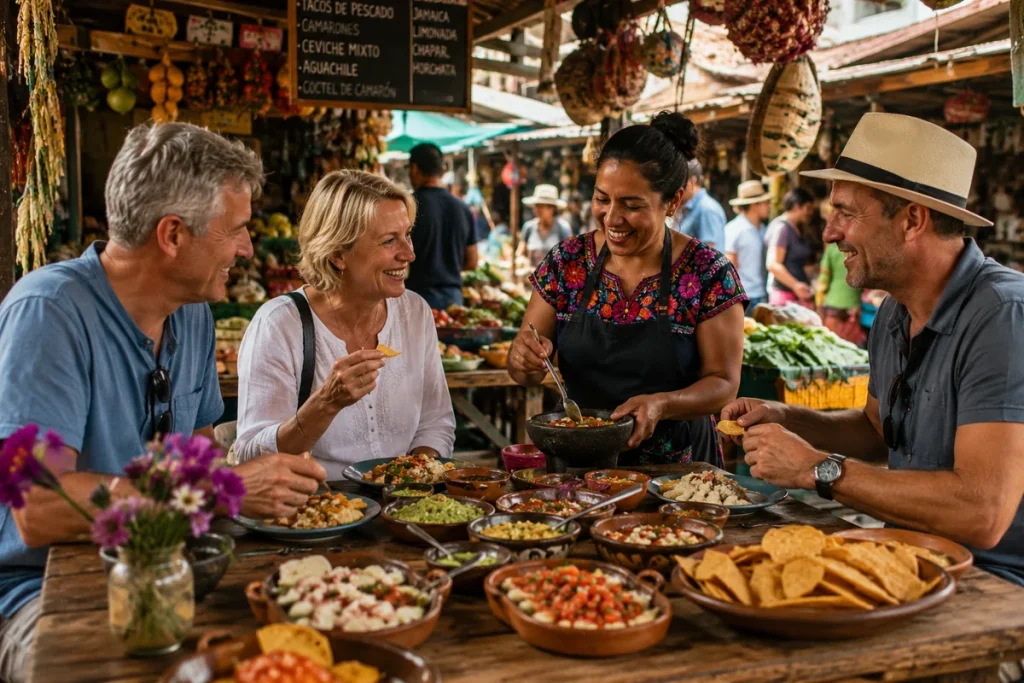
Discover destinations through regional dishes, markets, restaurants, food traditions, vineyards, and locally rooted culinary experiences.
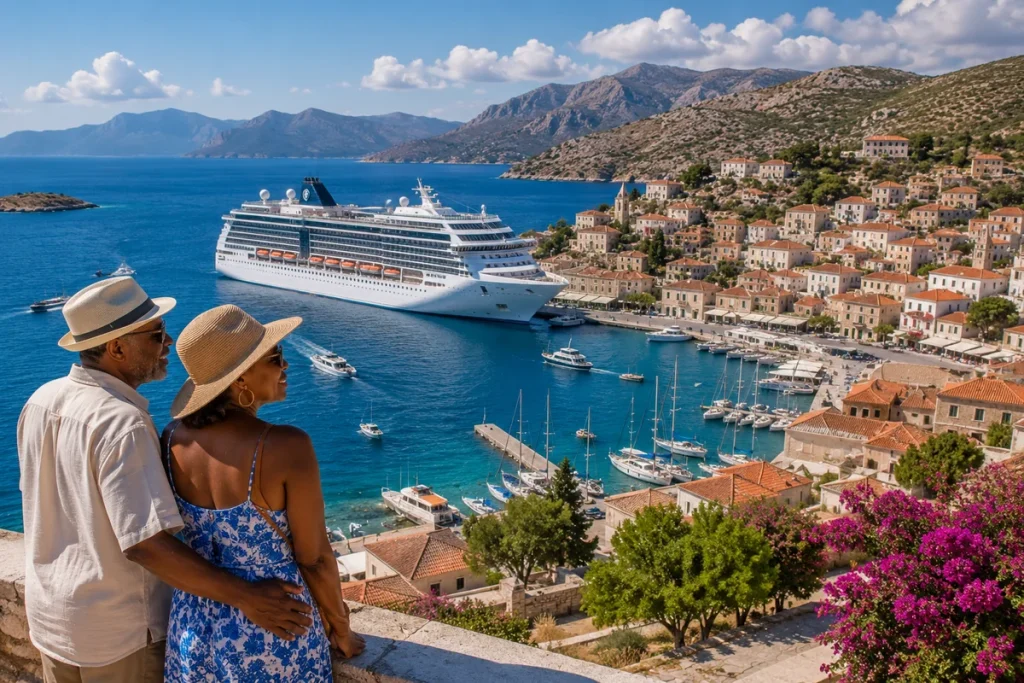
Use coastal cities and port regions as starting points for exploring local culture, nearby landmarks, islands, and pre- or post-cruise stays.
Consider island destinations, warm coastlines, resort stays, and relaxed escapes that can stand alone or complement a broader international itinerary.
A to Z Travel Center helps compare destinations, balance travel time and pace, coordinate flights and accommodations, and shape the complete international journey around your priorities.
Start with the experience you want most—culture, scenery, wildlife, food, relaxation, history, or a combination. Travel time, climate, mobility, budget, and trip length should then narrow the strongest choices.
That depends on the region. Weather patterns, rainy seasons, temperatures, wildlife cycles, local events, and crowd levels can all affect the experience.
A single-country trip usually allows greater depth and a slower pace. A multi-country itinerary offers more variety but requires additional travel time and more careful coordination.
For many long-haul destinations, at least 10 to 14 days is more practical once flight time, time-zone changes, and recovery are considered. More complex trips may benefit from two weeks or longer.
Planning 6 to 12 months ahead is wise for popular seasons, complex itineraries, long-haul flights, cruises, guided tours, and limited-availability accommodations.
Yes. A to Z Travel Center can help compare regions, climates, travel time, pace, cultural interests, transportation, and overall trip complexity before an itinerary is built.
Yes, when the destinations connect logically. Neighboring countries, regional flight routes, rail links, cruises, and planned stopovers can make a multi-destination journey practical.
Requirements vary by destination and may include a valid passport, visas, entry authorizations, health documentation, or proof of onward travel. Travelers should verify current official requirements before departure.